Sometimes you just have to change everything — or almost everything — to make a bigger impact. That’s why I decided, after fifteen years of delivering impactful media literacy education in schools, to step outside of the classroom and meet young people where they are (or want to be): online. But it didn’t just “happen”…
Where it all began
For the past 16 years, the organization I led taught media literacy skills and digital wellness skills mostly to teen girls, improving their self-efficacy, body satisfaction, and leadership skills. My team and I worked shoulder-to-shoulder with teachers throughout the early 2000s, helping teens who were growing up under the influence of Britney Spears (and those low, low waisted jeans), videos of rappers raining money onto women’s bodies, “Blurred Lines”, The Swan, American Apparel’s lascivious advertising, and the emergence of social media.

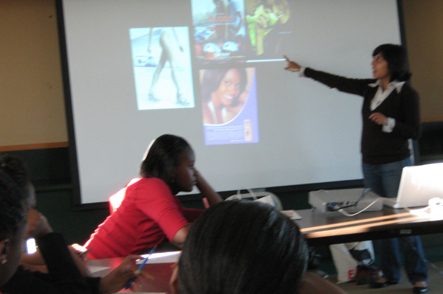
By 2021, we’d reached more than 10,000 diverse youth in their classrooms and had a positive impact I’m very proud of: 94% of participants reported higher self-esteem and confidence, and we showed significant positive improvements in critical thinking skills about media.
But here’s what was eating at me:
- The impact was great for our geographical area, but we still couldn’t reach enough kids to make a sea change.
- Training workshop leaders to teach live and in-person, then making sure they had the tools and technology to deliver the program in the classroom, was onerous.
- Teachers often said they didn’t have enough class time to fit media literacy into their lesson plans, especially at public schools.
- We were starting to see the deleterious effects of smartphones and social media impact spread to become the primary sources of negative effects on teens.
An alarm bell signaled the time for change
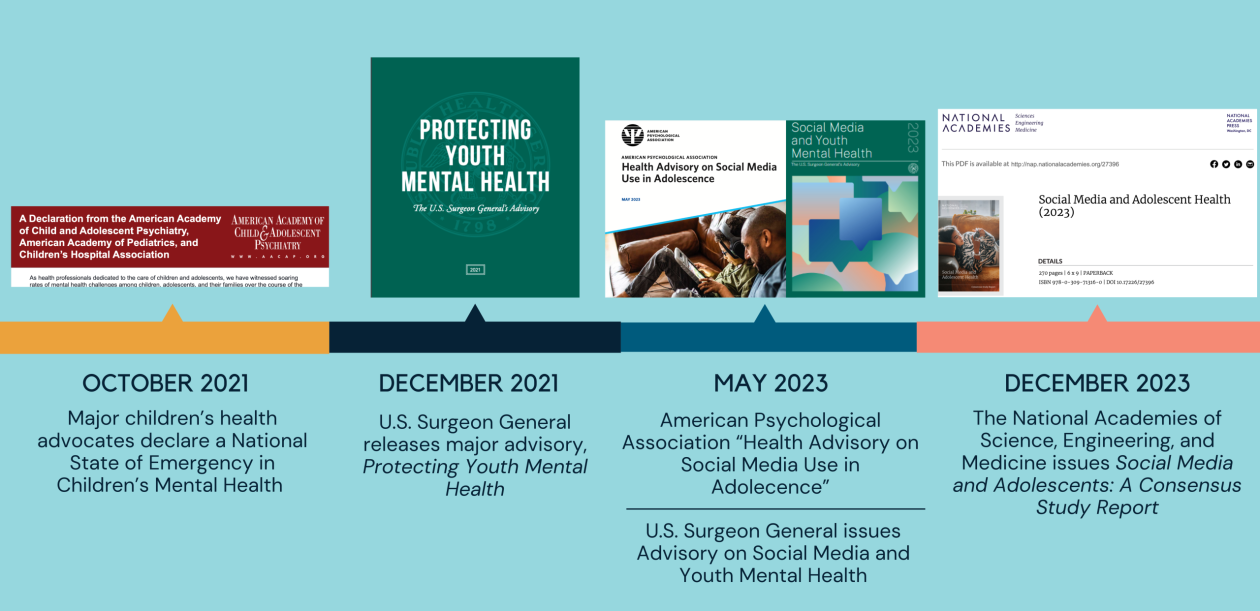
Then Frances Haugen, “the Facebook whistleblower,” testified in Congress (2021), followed quickly by the American pediatric health organizations declaring a national emergency in child mental health (2021). Next, the American Psychological Association and U.S. Surgeon General warned about the mental health effects of social media and smartphone use on teens (2023).
It sure looked like the mental health crisis had something (or a lot) to do with the rise of smartphones and digital media.
Fast-forward to 2024, and the topic was also all over the news. The rate of adolescent depression was high. The crisis was mounting. People were describing the problem very well (and every. single. day.), but there wasn’t an immediate solution in sight. The social media companies weren’t fixing it. The government wasn’t fixing it. “Why not the schools, though?” many asked.
I knew from experience that schools didn’t have the capacity or skillset to intervene. And so much was expected of them after the learning loss caused by the pandemic. Also, reaching 20 kids at a time, classroom by classroom as my previous organization had done, was not going to make change at the speed and scale necessary. I’d already learned that.
All that led to my wake-up call: We need societal change around digital media, social media, and more NOW in order to literally save children’s lives. (The big one: Suicide has become the second leading cause of death among young people ages 10-24.) And the preventative, empowering nature of media literacy makes it the ideal solution to this conundrum. Luckily, I already had the skills and experience to teach it.
Parents were asking for help
As the scope and urgency of the problem became clear, I started talking with parents, asking how they were dealing with smartphones and social media. Almost to a person, they said they were at odds with their kids over screen time and smartphone use. They were “shooting in the dark”, creating rigid rules, or worse, giving up because they felt so overwhelmed and exasperated trying to navigate their children’s use of screens and emerging media.
The talk on parent discussion boards and public social media posts echoed those sentiments. But one promising note came up: people were talking about instituting media literacy education as a solution — even if they weren’t calling it that.

Meanwhile, the reports of social media’s impact were coming in fast and furious. Online radicalization, self-harm, suicide, eating disorders, anxiety, depression, addictive behavior and overuse, misogynistic and racist threats, sexual harassment, cyberbullying, sextortion, revenge porn, hate speech, deep fakes. And like I said, suicide. “What world is this?” I asked myself.
Enough already. We had to prevent this from happening to the next generation of teens.
Media literacy enters the chat...
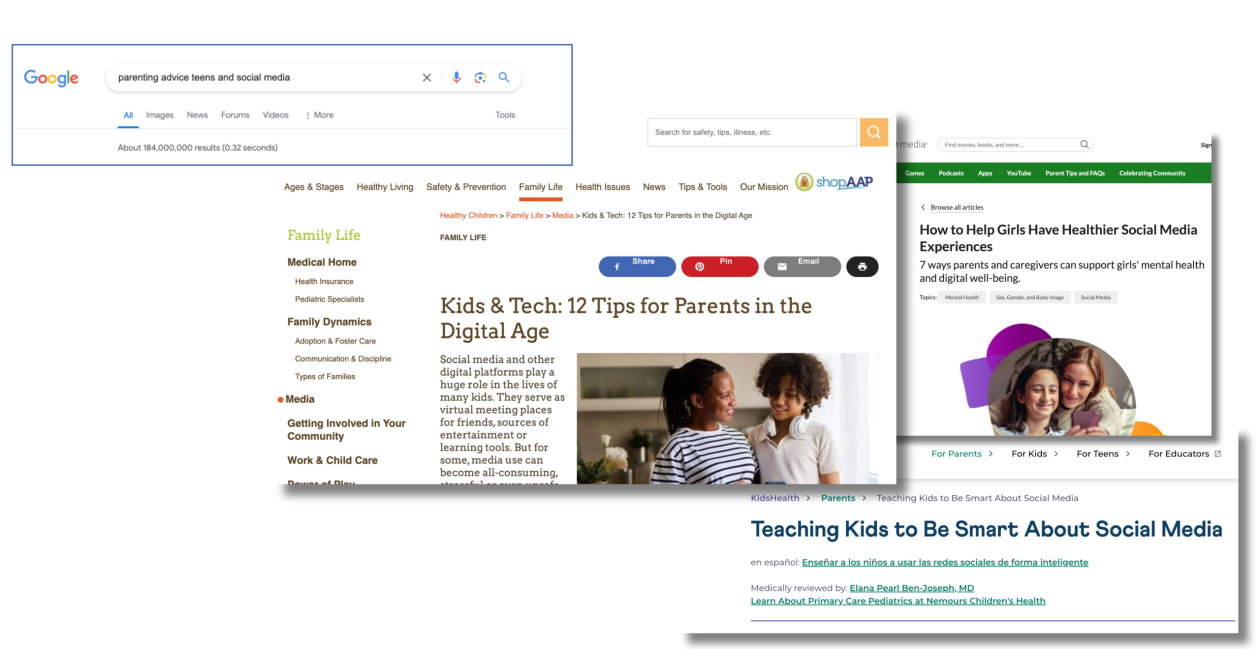
I started looking into what action was being taken. There had to be a program or product out there tackling this critical problem, right? As I searched, the answer became clear. There were plenty of articles and videos and books with tips for parents. So many tips. Tips tips tips. But not much that proposed concrete action and that was accessible to most parents.
Then I came across the APA paper that recommended we mentor and coach children regularly around their use of smartphones and the internet, and that they should receive social media literacy education before using the platforms. Eureka! But how could we expect parents to give their children media literacy education when they probably never received it themselves? And what even was “social media literacy”?

I turned to what I know works
Let’s be honest: If media literacy education worked well to improve the mental health of the thousands of kids I’d been reaching for years, then it could work on this pressing new problem — at scale.
So I cooked up my potion: I took evidence-based media literacy and public health tenets, added basic digital wellness habit-building and self-awareness skills, and stirred it all up into a fun and balanced view of the digital media landscape, for both kids/teens and their parents.
I described it as “a driver’s license, but for social media and phones.” After all, everyone needs training to use powerful, potentially harmful tools like vehicles and smartphones. Then, I asked parents and their kids what they thought about such a program and how it could be most effective. Here’s what they said.
- It needed to be fun, and not too much like school. (We removed curriculum jargon.)
- It needed to be inexpensive and accessible to many families. (We made it $24 to start, with a sliding scale to ensure every teen that needs it can get access.)
- Parents needed to be able to “plug in” and have some ways to talk about it, not the dreaded “tips” or even “resources”. (We created an audio course for parents that maps to the kids’ course.)
- Kids needed to feel like they weren’t being talked down to. (“Don’t make it animated. That’s baby-ish,” said one 10-year-old. So in our live-action videos, we have older teens giving their advice.)
I pulled together a team of experts (mental health professionals, former tech employees, PhD-level curriculum developers, parenting coaches, parents, and teens themselves to give us their most honest feedback) to create a prototype. Then, we gathered feedback from both parents and teens, which helped mightily with what was to come.
With all of their feedback on board, the path became clear. Kids needed an engaging, effective way to learn core media literacy principles and practical skills around social media. And parents wanted a way to “plug in” to what their kids were learning without having to do all the teaching themselves.
So, off we went, creating a series of short videos portraying older teens delivering their hard-won advice — everything a child about to use social media and smartphones should know. We included a set of quizzes and challenges to ensure learning was really happening. And we leaned into our group of experts to create companion audio episodes for parents where they can hear real stories of how other families and professionals in adolescent development have dealt with the challenges of smartphones and social media, not to mention usable, practical ways to talk with their kids.

It took nine months to make our first program. I gave it the simplest name possible: “The Social Media Driver’s License.” You can learn more about it here.
This is just the beginning
While the Social Media Driver’s License addresses the immediate need to empower teens and their parents to navigate the transition to social media and smartphones, I know we won’t stop there.
I named the organization Ready Set Screen to communicate that the appearance of screens at home is inevitable, and that preparation is the key to helping parents of infants through 18 year olds prevent the next tech-related mental health crisis.
And I know that I’m the right person to lead the charge.
Why? First off, I’ve already done it — using media literacy to effectively help thousands of teen girls improve their mental health. I have methods to teach young people to think for themselves, not get consumed by the toxicity and pressure, and grow into the healthy, resilient adults parents hope they’ll become.
And, while I’m not a parent myself, I’ve seen more teens move through this time in their lives than most parents do. In fact, while working on my previous organization, one of my volunteers poignantly said to me “You actually have many daughters”, which struck me as very true (after I wiped the tear from my eye).
I know it will work, because I’ve seen media literacy-meets-self-awareness work before. Now it’s just a matter of getting those ideas out to as many teens and parents as possible.
If you have a way to help with that, or feedback on the program if you’ve tried it, let me know! I’m always interested to know what you think, so please get in touch via our contact form. And to see what comes next, follow us @readysetscreen on social media and sign up for our email list below.
Jennifer Berger is the Executive Director and Founder of Ready Set Screen.